


Most residents in affordable housing can't install a charger of their own, and public stations aren't always nearby. Shared chargers on site give them a reliable place to charge where they live.

Affordable housing runs on tight operating budgets and strict program rules, and many residents have nowhere else to charge. Charging has to cost the property little or nothing, stay affordable for residents and come with the paperwork handled.
Reserves and operating budgets are committed to the building, and there's rarely room for a new capital project.
Matcha can own the equipment, so the property puts in no or low capital, and rebates are applied before anything else.
If charging at home costs more than residents can manage, the chargers sit unused.
Rates are set per site in MatchaOS, so residents can be priced separately from visitors and the public.
Many Make Ready and state programs pay more for affordable and income-qualified housing, but each has its own rules, deadlines and paperwork.
Matcha finds the programs your property qualifies for, applies for them and builds the incentive into the project.
Older buildings often have little spare capacity, and a service upgrade can cost more than the chargers.
MatchaOS load management shares the existing service across chargers and throttles back during peaks.
Charging off the house meter puts EV electricity on the property's bill, which isn't fair to residents who don't drive electric.
Each driver signs up with the QR code on the charger and pays per session in MatchaOS, so the property isn't covering anyone's charging.
Property managers and maintenance teams already cover a lot of ground, and charger troubleshooting shouldn't be added to it.
Matcha monitors every charger remotely and handles maintenance, repairs and driver support for the full term.
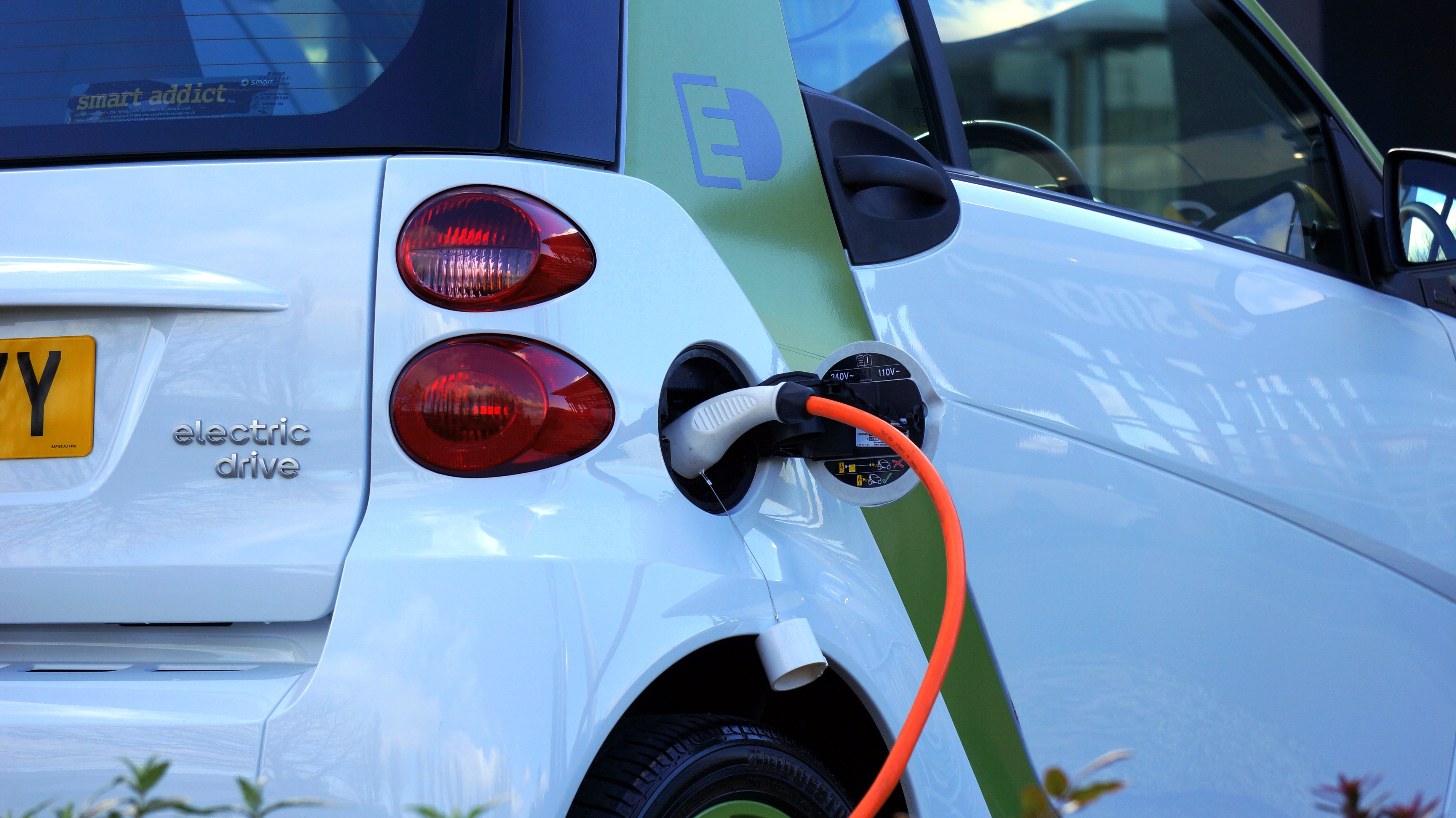
Matcha funds, installs, owns and operates the chargers, so no capital comes out of reserve budgets, and the property can share in the charging profits. Some utility and state programs offer extra support for affordable housing; we apply them where they exist. Matcha handles maintenance, repairs and driver support.

Site assessment and planning
Incentive application support
Installation project management
Operations and maintenance included
Driver support


+1 (617) 286-4722

info@matchaelectric.com